
A better protein base gives brands more room to create flavors that feel local, premium, and culturally current.
Flavor Is Becoming More Global and More Playful
Sports nutrition once had a narrow flavor vocabulary. Chocolate. Vanilla. Strawberry. Cookies and cream. Maybe salted caramel. Those flavors still sell, but they no longer define the opportunity. Consumers are exposed to cafe culture, dessert trends, regional ingredients, limited drops, and social media flavor cycles. Matcha, ube, coffee-dessert profiles, tropical fruit, cereal milk, tea latte, and savory-sweet ideas are all moving closer to mainstream packaged food. Food and Wine’s coverage of the 2026 Sweets and Snacks Expo highlighted matcha and ube as potential next global flavor movements after the Dubai chocolate wave, alongside growing interest in playful textures and limited-edition launches (Food and Wine, 2026). Sports nutrition should be paying attention. This shift is not just a trend cycle.
It reflects a deeper change in who is buying sports nutrition products and what they expect from them. The consumer who drinks a matcha latte every morning and a hojicha iced coffee in the afternoon does not lower their sensory expectations when they pick up a protein powder. They bring those expectations with them. For brands that have been paying attention to how the market is evolving, this creates a genuine formulation opportunity. For those still anchored to the default flavor playbook, it creates a growing competitive gap. For a broader look at how consumer expectations are evolving across the entire category, see our blog on Why Taste Is Now the Most Important Part of Performance Nutrition.
Complex Flavors Need a Cleaner Foundation
The more ambitious the flavor, the more important the base becomes. Matcha can taste grassy if the protein base is bitter. Coffee can become harsh if the aftertaste is poorly managed. Fruit flavors can clash with earthy notes. Dessert flavors can become too sweet if masking is excessive. This is where “neutral” is not boring. It is creative space. A protein ingredient that leaves more room for flavor gives brands the chance to localize. A Japanese market concept may need matcha or hojicha. A Latin American concept may lean into dulce de leche, mango, or coffee. A Middle Eastern concept may explore pistachio, date, or saffron-inspired notes. A Southeast Asian concept may draw on pandan, coconut, or lychee. The protein base should not make those ideas harder.
Why the Protein Base Is the Starting Point for Flavor Strategy
Most sports nutrition flavor development begins with the wrong assumption: that flavor is an add-on layer applied after the nutritional design is complete. In reality, flavor strategy has to begin with the base ingredient itself. A protein that contributes bitterness, earthy off-notes, graininess, or high background sweetness creates a sensory constraint before a single flavor compound is added. The flavor systems that bring matcha, ube, or regional fruit profiles to life are delicate. They rely on a neutral, cooperative base to perform as intended. When the base ingredient is working against the flavor system, the formulation team compensates with additional sweeteners, masking agents, and flavor load. The result is a product that is more expensive to produce, harder to balance, and less clean on the label. For a detailed look at how this challenge plays out in real-world formulation, see our blog on The Flavor Headroom Problem: Why Great Nutrition Still Fails at the First Sip.
NiHPRO® Gives Brands More Flavor Freedom
NiHPRO®Core and NiHPRO®Gold are designed to help brands build products with stronger sensory potential. NiHPRO® is a third category of protein, not a typical commodity protein blend. It is vegan and dairy-friendly, but non-dairy and developed to support high-quality protein applications without forcing brands into the sensory limitations often associated with older protein systems.
NiHPRO®Core can support powder and food applications where brands want to create distinctive flavors without fighting the base. NiHPRO®Gold is especially relevant for premium beverage and smooth-format concepts where delicate flavor work matters. This is not only a taste issue. It is a market access issue. Better flavor flexibility allows a global ingredient to become locally relevant.
The Japan Example: Why Sensory Precision Opens Market Doors
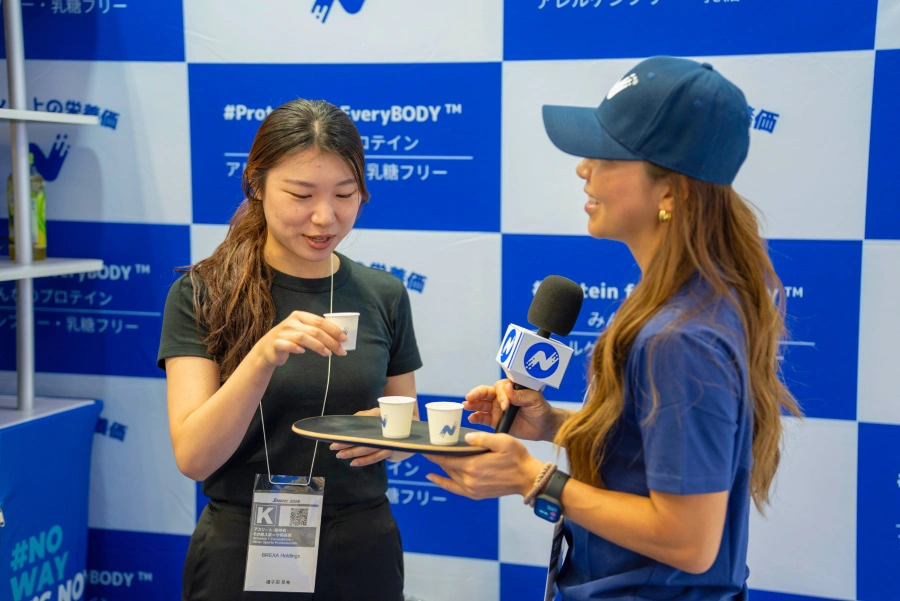
Japan offers a clear illustration of why a cleaner protein base is a strategic market advantage. Japanese consumers apply a level of sensory precision to food and beverage products that is among the highest in the world. A product with even minor off-notes, inconsistent texture, or poorly balanced sweetness will not be accepted in the same way it might be in markets with lower sensory expectations. NiHTEK®‘s presence in Japan reflects this reality. The development of the NiHPRO®Family has been shaped in part by Japanese flavor partnerships and the sensory demands of the Japanese market, which require a protein that can support delicate flavors like matcha, hojicha, yuzu, and sakura without interference from the base ingredient. The response at SPORTEC Tokyo 2025 confirmed that this approach is working. Brands that sampled NiHPRO® at the event noted the sensory quality immediately, with the reaction of many being that they had not experienced a non-dairy protein that performed this cleanly as a flavor base. For the full story of that response, see our blog on Igniting Japan’s Protein Innovation: NiHPRO® at SPORTEC Tokyo 2025.
Flavor Freedom Across Every Format
The global flavor opportunity extends across every format in which protein is delivered. In powder applications, a neutral base allows regional flavor profiles to land cleanly without excessive sweetener compensation. In ready-to-drink beverages, a protein that does not interfere with delicate flavor notes allows brands to create drinks that compete directly with specialty coffee and premium hydration drinks rather than sitting in a separate supplements category. NiHPRO®Bev was developed specifically for beverage applications where this level of sensory neutrality is required. Its ultra-clear, stable-in-solution profile and virtual absence of aroma and off-notes make it a platform for the kind of sophisticated flavor work that café-style RTD products demand. For the full technical detail on NiHPRO®Bev’s sensory and formulation capabilities, see the NiHPRO®Bev ingredient page.
In snack applications, the same principle applies. NiHPRO®Puffs brings the same sensory neutrality to extruded formats, giving snack brands a base that works with global flavor concepts rather than competing with them.
Flavor Is Part of Trust
Consumers often judge quality before they understand the science. If a protein product tastes clean, mixes well, and delivers a flavor that feels intentional, the consumer is more likely to believe the brand knows what it is doing. That does not replace scientific credibility. Protein quality still matters. Essential amino acids, leucine, digestibility, and bioavailability remain important for muscle-focused nutrition (Jager et al., 2017). But the first experience is sensory. This is why the most credible performance nutrition brands invest in both dimensions simultaneously. The science validates the product. The sensory experience earns the first purchase and the repeat. When both are strong, the brand builds the kind of trust that sustains long-term growth.
NiHPRO® carries a third-party validated DIAAS score of 1.16, leucine levels equivalent to whey protein isolate, and a complete essential amino acid profile that supports the scientific story. The sensory quality of NiHPRO® supports the consumer story. Together, they give brands the foundation to compete on both fronts simultaneously. For a complete look at the scientific validation behind NiHPRO®‘s nutritional credentials, see Forged by Nature, Backed by Science: NiHPRO® Sets a New Standard in Protein Quality.
The Future of Sports Nutrition Will Speak Many Flavor Languages
At NiHTEK®, we see flavor as a bridge between science and culture. The future of sports nutrition will not be one global flavor. It will be better to have protein platforms that allow brands to speak many flavor languages. The brands that win in global markets will be the ones whose products feel at home in Tokyo, Dubai, São Paulo, and London at the same time, not because they use the same formula everywhere, but because their protein base is clean enough and versatile enough to support flavors that belong in each of those markets. For brands ready to explore what flavor freedom looks like in practice, explore the full NiHTEK® ingredient platform on the Ingredients page or contact the NiHTEK® team to request samples and begin the flavor conversation.
References
- Food and Wine. The Biggest Snack Trends You’ll See on Grocery Store Shelves in 2026. https://www.foodandwine.com/sweets-and-snacks-expo-trends-2026-12003642
- Jager R, et al. International Society of Sports Nutrition Position Stand: protein and exercise. Journal of the International Society of Sports Nutrition. 2017. https://link.springer.com/article/10.1186/s12970-017-0177-8
- NielsenIQ. Expo West 2026: A New Era of Functional, Clean, and Metabolic Nutrition. 2026. https://nielseniq.com/global/en/insights/analysis/2026/expo-west-2026-trends/
- Lactalis Ingredients. Food trends and ingredients that will shape 2026. https://www.lactalisingredients.com/news/blog/food-trends-and-ingredients-that-will-shape-2026/