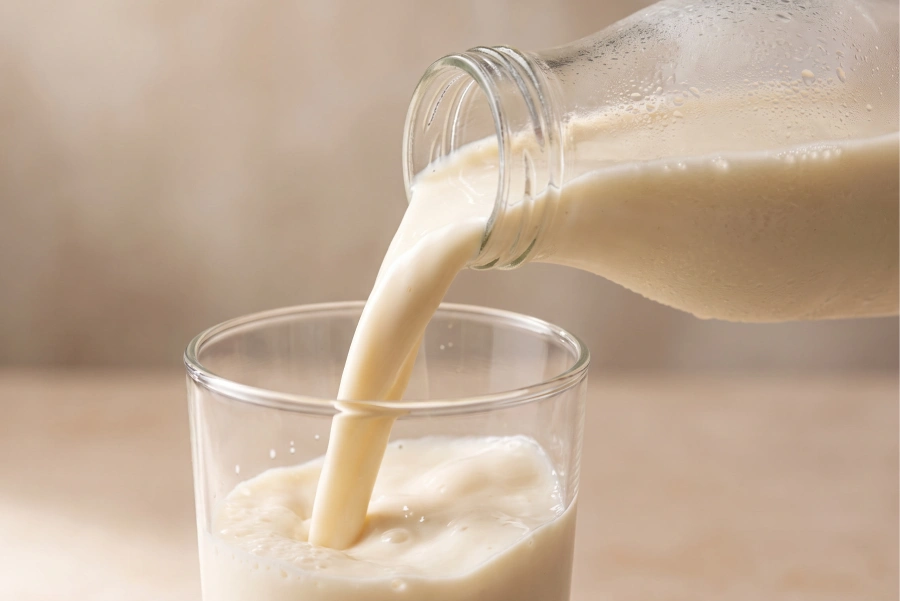
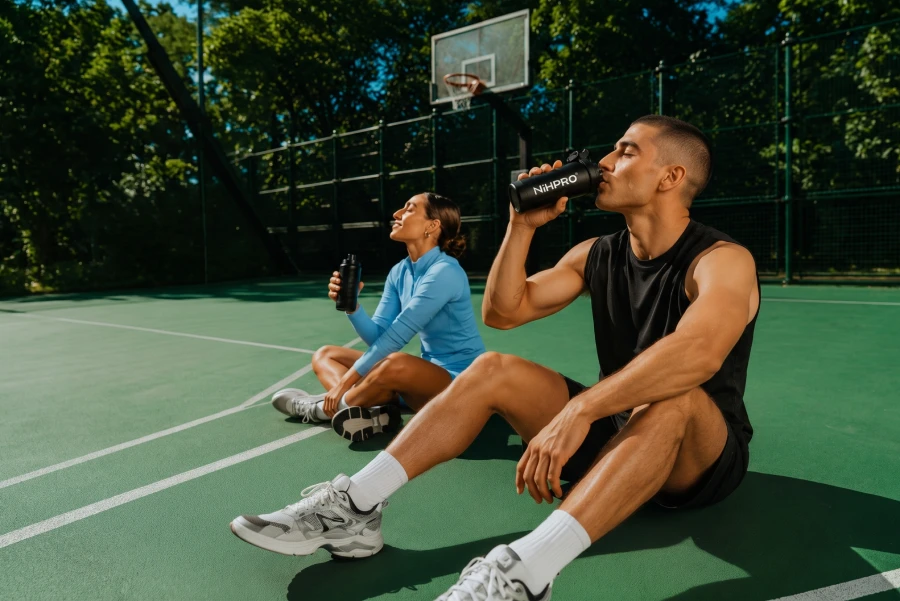
Great nutrition can still fail if the first sip is chalky, bitter, heavy, or hard to finish. The next protein advantage is not only science. It is flavor freedom.
A Great Formula Can Still Lose at the First Sip
There is a quiet problem in high-protein product development. It rarely appears on the front of the label, and it is not always obvious in a nutrition panel. We call it flavor headroom: the amount of sensory space left for a brand to create a product people actually want to drink, mix, bake with, or buy again. Protein is a large part of the formula. It has mass. It brings texture. It carries aroma. It can affect sweetness, acidity, viscosity, and aftertaste. When the protein base is difficult, the flavor system has to work harder. More sweetener is added. More masking is added. More flavor is added. The result may pass a lab bench test, but the consumer still notices the heaviness.
This is why we believe the next generation of protein innovation will not be judged only by grams of protein. It will be judged by the experience around those grams. This challenge shows up across every format. In ready-to-drink applications, a difficult base protein forces formulators toward compensation strategies that compromise the final product experience. The detail behind why this matters so much at scale is covered in our blog on RTD Protein’s Second Era: Why Stability Is the New Competitive Advantage, which examines how base ingredient performance shapes everything downstream, from production consistency to consumer trust.
Protein Quality Is Not Only a Nutrition Question
Protein quality is often discussed through amino acid profile, digestibility, and bioavailability. Those points matter. The ISSN position stands on protein and exercise notes that proteins rich in essential amino acids, with adequate leucine, are important for stimulating muscle protein synthesis in exercising individuals (Jager et al., 2017). FAO has also emphasized that protein quality evaluation must consider digestible indispensable amino acids, not only crude protein quantity (FAO, 2013). The DIAAS framework, which evaluates protein at the ileum where absorption actually takes place, is now widely recognized as the most accurate measure of real protein value. NiHPRO® holds a DIAAS score of 1.16, surpassing both Whey Protein Isolate and Whey Protein Concentrate, which is third-party validated proof of genuine amino acid quality. For a thorough explanation of why DIAAS is the standard that matters in modern formulation, see our blog on How to Assess Protein Quality.
But in commercial nutrition, there is a second layer: whether the product can be consumed comfortably and consistently in real life. A protein source can look strong on paper and still create problems in finished applications. If it makes a shake too thick, a bar too dry, or a beverage too hard to flavor, the brand pays for that at every stage of development.
Why NiHPRO®Core and NiHPRO®Gold Were Built Differently
NiHPRO®Core and NiHPRO®Gold were developed to give brands more room to work. We do not define NiHPRO® as a typical commodity protein blend or as a simple dry blend. It is a third category of protein, developed through re-purification and advanced processing technologies designed to support a cleaner sensory profile and a complete essential amino acid approach.
For formulators, that matters because a better protein base does not fight every other part of the formula. It supports more elegant flavor systems. It gives room for coffee, cocoa, fruit, dessert, matcha, and regional flavor concepts. It also allows brands to move beyond the default chocolate-vanilla-strawberry cycle into products that feel more modern. NiHPRO®Core is well-suited for powder applications where taste, mixability, and protein quality must work together. NiHPRO®Gold gives brands an even more premium platform for advanced concepts that need a smooth protein experience. The science behind what makes NiHPRO® different from the ground up is detailed in Forged by Nature, Backed by Science: NiHPRO® Sets a New Standard in Protein Quality.
Flavor Headroom Across Every Format
The flavor headroom problem is not limited to powdered applications. It extends into every format where protein is used. In snack applications, chalky texture and protein-forward aftertaste are widely recognized as the primary reasons consumers stop repurchasing high-protein products. The product may be nutritionally impressive, but if the eating experience creates texture fatigue, daily compliance collapses. This is a challenge that NiHTEK® has addressed directly in the snack category, as explored in HFSS Snack Rules: Why Protein Texture Must Do More. The lesson from that work applies equally here: when the base ingredient creates sensory noise, the product fails regardless of its label claims.
NiHPRO®Puffs extends the same flavor headroom philosophy into the snack format, delivering a neutral, clean sensory base that allows brand flavor systems to perform without heavy masking. For brands developing snack bars, protein bites, breakfast cereals, or extruded products, this makes a meaningful difference in the speed and cost of product development. You can learn more about how NiHPRO®Puffs was engineered for this purpose at the NiHPRO®Puffs ingredient page.
In beverage applications, NiHPRO®Bev was developed with the specific goal of removing the sensory obstacles that have historically made functional protein beverages difficult to finish. A protein ingredient that is virtually tasteless in solution, free from bitter overtones, grassy notes, and planty off-flavors, and stable across a wide pH range is a protein ingredient that leaves room for the flavor story the brand actually wants to tell. For a full overview of how NiHPRO®Bev addresses the beverage formulation challenge, see NiHPRO®Bev: The World’s First Hydrolysed, Allergen-Free, FODMAP-Free Protein for Functional and Medical Beverages.
The Future Belongs to Products People Want to Finish
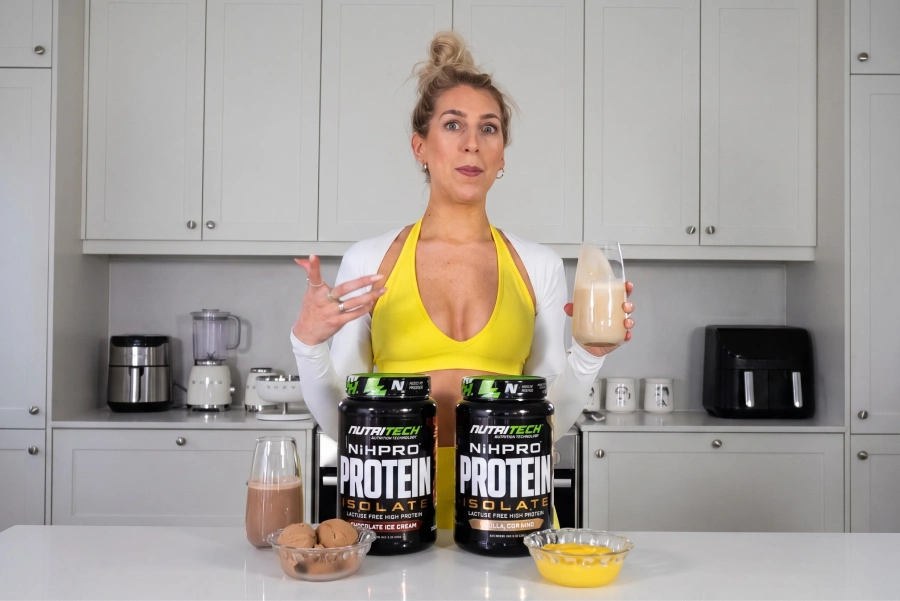
Many consumers do not describe technical issues with technical language. They do not say, “the protein base has poor flavor headroom.” They say, “it tastes too thick,” “it feels grainy,” “it smells strange,” or “I can’t drink this every day.” Those comments decide the commercial future of a product. At NiHTEK®, we see flavor freedom as part of ingredient performance. A protein ingredient should not only help a brand reach a protein number. It should help the whole product become more enjoyable, more flexible, and easier to bring into daily life. The best protein ingredient does not take over the formula. It gives the brand room to create. For brands ready to build products that consumers genuinely want to finish every day, explore the full NiHTEK® Ingredients platform or contact the NiHTEK® team to request samples and start the formulation conversation.
References
- Jager R, et al. International Society of Sports Nutrition Position Stand: protein and exercise. Journal of the International Society of Sports Nutrition. 2017. https://link.springer.com/article/10.1186/s12970-017-0177-8
- FAO. Dietary protein quality evaluation in human nutrition. FAO Food and Nutrition Paper 92. 2013. https://openknowledge.fao.org/items/53cf3d0a-1db2-4667-823a-e9d73278efe9
- NielsenIQ. Expo West 2026: A New Era of Functional, Clean, and Metabolic Nutrition. 2026. https://nielseniq.com/global/en/insights/analysis/2026/expo-west-2026-trends/
- Lactalis Ingredients. Food trends and ingredients that will shape 2026. 2026. https://www.lactalisingredients.com/news/blog/food-trends-and-ingredients-that-will-shape-2026/