
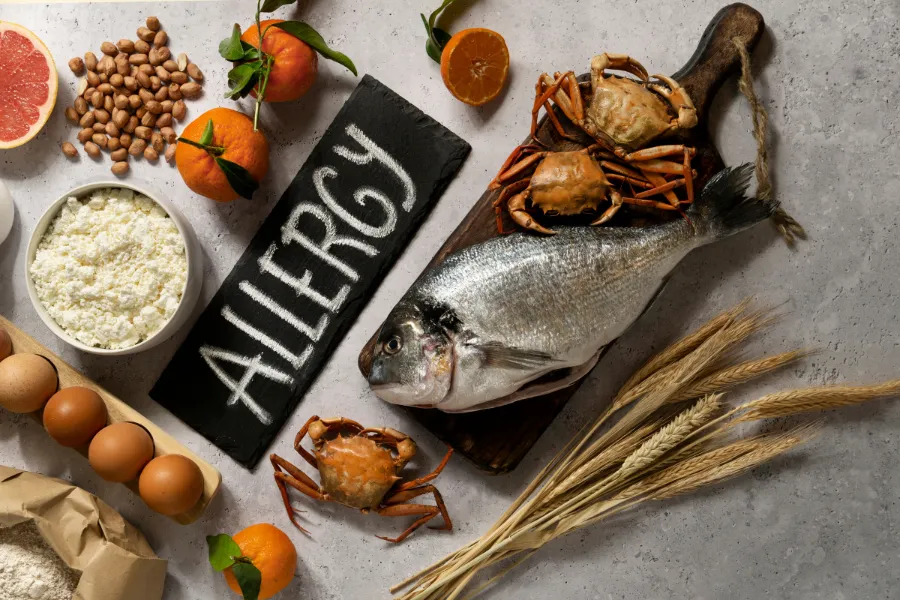
Food Allergies and the Reasons Why Reactions Could be dangerous
Allergies to food result from an overreaction of the immune system in response to a certain food protein. For IgE-mediated allergic reactions (the most prevalent and the most risky kind) the body produces IgE antibodies which attach to cells within the gut, skin lung, bloodstream and skin. When food that is allergenic is consumed again, the cells release chemicals like histamine, which can cause symptoms that could manifest rapidly and increase in severity. Since allergic reactions can differ in intensity even for the same person, avoiding isn’t merely a suggestion. In many cases, it’s a routine security requirement.
Why avoiding food is the most reliable strategy

While researchers continue to research ways to treat and cure, food avoidance remains the most reliable way to prevent allergic reactions. The use of medications can help alleviate symptoms following exposure, but they don’t stop this immune reaction from beginning.
A effective diet-free strategy is not a single step, but a series of habits we practice every day that are in sync:
- Eliminating the allergen by itself (for instance, avoiding drinking eggs, milk and peanuts. ).
- Pay attention to labels to identify allergens that are that are listed as ingredients, and recognize other names (example of this is casein as milk and albumin to refer to egg).
- The prevention of cross-contact that can result in the transfer of allergens through common surfaces, utensils and fryers or other preparation areas. For certain people, trace exposure may still cause symptoms.
- Avoiding situations in which ingredients aren’t clear or not properly controlled (buffets bakeries, restaurants or restaurants that do not have strong food allergy policies).
Since foods allergies are unpredictably, food avoidance is the most controlled and secure method of staying secure.
The growing role of food Abstaining from Food in Daily Life
Since foods that cause food allergy increase, food avoidance affects the routines of school, home and at work. A lot of families spend times reading the labels of food, cooking meals, and expressing the need for allergens. Children usually take their own food to school, while adults also do this at work.
Situations with friends can become stressful also. Parties, restaurants, and travel can create uncertainties. The most effective ways to minimize the risk are:
- Be sure to ask about the ingredients prior to placing an order
- Requiring clean utensils, or separate prep areas for prep
- Selecting restaurants that have been vetted for allergy awareness
With proper planning and the support of others, the process of avoiding food is easier to manage and less stress-inducing.
The Challenges and the Limitations to Food Avoidance

Even with the best of intentions accidents can occur. Some of the most common issues include:
- Ingredients that are hidden in processed food items
- Inter-contact in bakeries, kitchens or equipment shared
- Unclare labeling or inconsistency “may include” statements
- Pressure from social pressure that creates a sense of discomfort when you make requests for changes or ask questions.
Since the avoidance of food demands constant attention and constant attention, it can cause emotional stress and negatively impact the your quality of life. This is why constant education, improved practice in labeling and better standards for food handling are essential greatly.
The reason "Allergen-Free" Choices are More Important Than The Last Time
With more people suffering from allergies to foods there is a growing demand for products that are more inclusive, particularly in everyday food categories such as Protein drinks, snack foods and even functional food items.
NiHTEK® promotes its strategy around “Protein For EveryBODY™,” emphasizing the allergen-free formulations and ingredients that are that are designed to be utilized by more people, such as those who avoid the most common allergens. For instance, NiHTEK® highlights NiHPRO® and NiHPRO®Puffs as protein-based systems that are designed to support free of allergens formulations across different forms like beverages, powders and snacks.
For companies, this reinforces an important point: When consumers are required to practice the habit of avoiding food They look for products that minimize risk and clearly state the safety of their products.
Conclusion

The symptoms of food allergy are a major world-wide concern and because reactions are unpredictable and often serious, food avoidance remains the most secure and secure method to protect yourself. A successful food avoidance program includes awareness of labels and cross-contact prevention. It is also cautious choices in high-risk settings.
Although avoiding the risk requires constant effort, it allows people and their families take control of risk in a clear practical and efficient manner. Continuous improvements in education, labeling as well as public education will assist those who suffer from foods allergies remain safe and more comfortable.