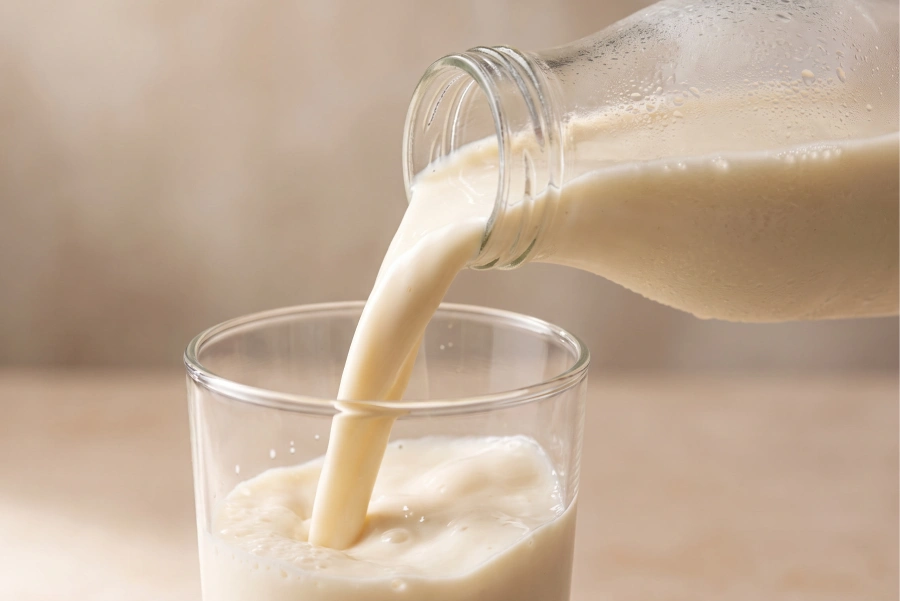
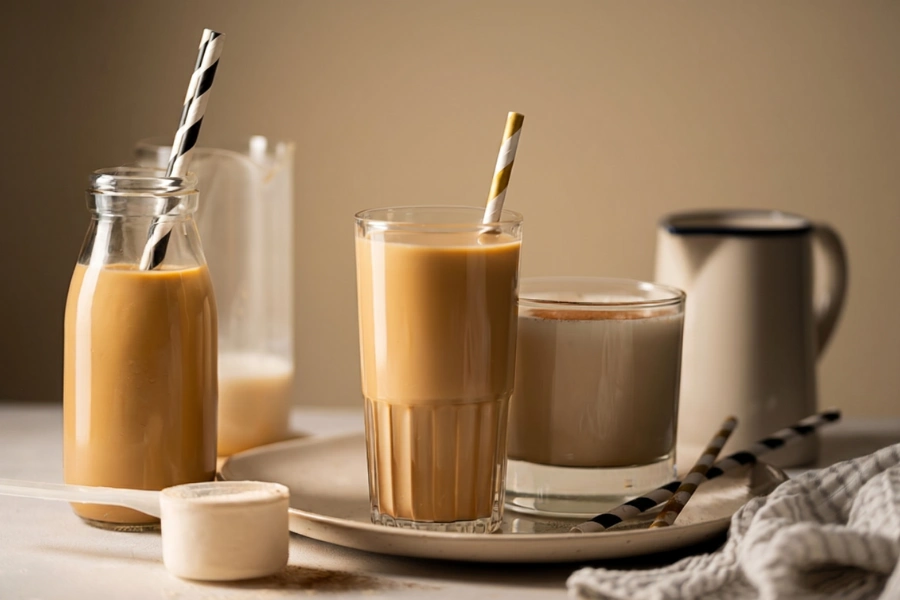
A protein beverage can deliver excellent nutrition and still fail if the flavour experience does not work. For consumers, taste is not a minor technical detail. It is the product experience. Taste determines whether a beverage feels premium, whether it fits into daily routines, and whether the consumer chooses to buy it again. For formulators, creating great taste is more complex than simply adding a flavour system. The protein base itself can significantly influence how flavour behaves. It can mute fruit notes, intensify bitterness, flatten sweetness, create chalkiness, affect mouthfeel, or leave a lingering aftertaste.
This is why flavour carry is becoming one of the most important frontiers in protein beverage development.
What Is Flavour Carry?
Flavour carry refers to how well a base ingredient allows the intended flavour profile to come through. In protein beverages, flavour carry is especially important because protein is not a passive ingredient. It can influence several key sensory factors, including:
- Aroma
- Texture
- Mouthfeel
- Sweetness perception
- Bitterness
- pH behaviour
- Aftertaste
- Overall flavour balance
If the protein base is difficult, the flavour system must work harder. That often means more sweetener, more masking, stronger flavour loads, or compromises in the final taste profile. A clean protein base gives the flavour system more room to perform.
Why Protein Makes Flavour Difficult

Different proteins bring different sensory challenges. Many plant proteins can carry earthy, bitter, beany, or grain-like notes. Some dairy proteins bring creamy or milky tones that work in shakes but may limit clear or refreshing formats. Hydrolyzed proteins can improve solubility and digestion, but if the peptide profile is not controlled, they may introduce bitterness. These challenges become more obvious in modern protein beverages. Clean protein beverages, recovery drinks, and lighter RTD formats have less viscosity and sweetness to hide imperfections. The protein must be cleaner from the beginning.
The NiHPRO®Gold Approach
NiHPRO®Gold is designed to improve flavour carry through, controlled hydrolysis and beverage-focused formulation refinement. Its peptide distribution is engineered to support cleaner taste, smoother mouthfeel, improved sensory performance, and reduced bitterness commonly associated with some hydrolyzed proteins. This gives formulators more flexibility when developing fruit, citrus, coffee, vanilla, chocolate, cream, or clean beverage flavour systems. The goal is not simply to remove bad taste. The goal is to allow good flavours to express themselves more naturally.
Better Flavour Supports Better Consumer Compliance
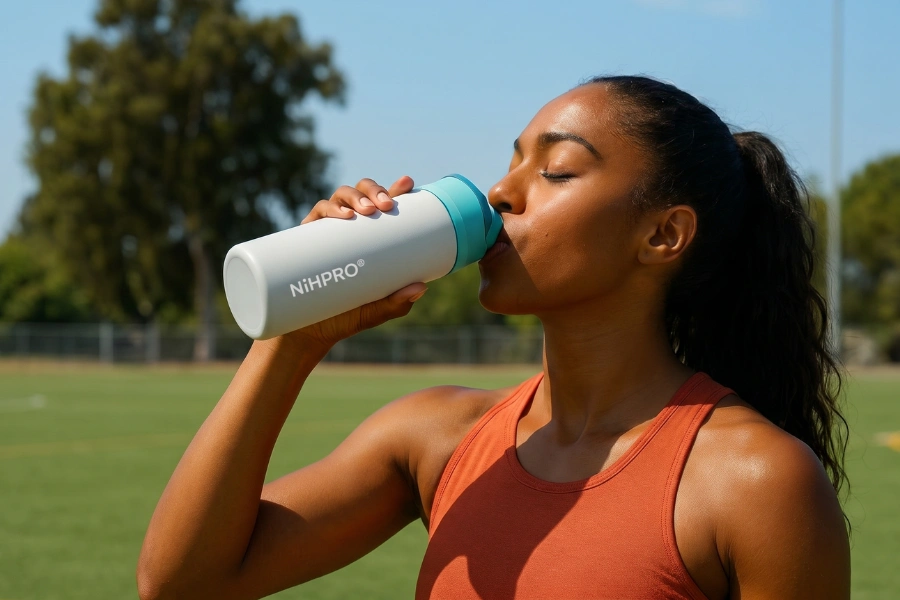
Flavour carry is not only a sensory issue. It is a compliance issue. Consumers may try a protein drink because of the nutritional claim, but repeat use depends on the drinking experience. A clean finish, smooth texture, and balanced flavour profile can make protein feel like part of a daily routine instead of a functional obligation. This is especially important as protein moves into lifestyle beverages and wellness formats. These products must compete not only with other protein drinks, but with all premium beverages.
The Future of Protein Taste
The best protein beverages will not taste like protein products trying to hide their protein. They will taste like great beverages that happen to deliver high-quality protein. NiHPRO®Gold helps make that possible. By improving flavour carry, mouthfeel, and sensory performance while preserving strong protein nutrition, it gives brands a more advanced foundation for next-generation protein drinks. Flavour is no longer an afterthought. It is the next frontier of beverage protein innovation.
References
- Brodkorb A, et al. INFOGEST static in vitro simulation of gastrointestinal food digestion. Nature Protocols. 2019;14:991–1014.
- Jäger R, et al. International Society of Sports Nutrition Position Stand: protein and exercise. Journal of the International Society of Sports Nutrition. 2017;14:20.
- FAO. Dietary Protein Quality Evaluation in Human Nutrition. FAO Food and Nutrition Paper 92. 2013.