

Drinkability Decides Who Actually Hits It
Endurance fueling has entered a more specific era. Instead of vague advice, athletes now talk in grams per hour targets that can be adjusted by session length, intensity, and individual tolerance. Many sports nutrition frameworks commonly discuss hourly carbohydrate intake ranges delivered through drinkable solutions (often referenced as 30-60 g per hour for longer sessions), with higher intakes typically approached for longer, harder efforts when athletes train their strategy. But there’s a catch:
Fuel plans don’t fail in theory. They fail when athletes stop drinking.
The Industry Shift: Compliance Is the New Performance Metric

Endurance products used to compete on “fast energy.” Now they compete on something more realistic: consistent intake. Athletes back off when a drink becomes:
- Too sweet
- Too heavy
- Chalky
- Thick in the mouth
- Linked with GI discomfort
So the modern endurance carb isn’t just chemistry it’s behavior. It has to be repeatable.
Drinkability Isn’t Cosmetic It’s Functional

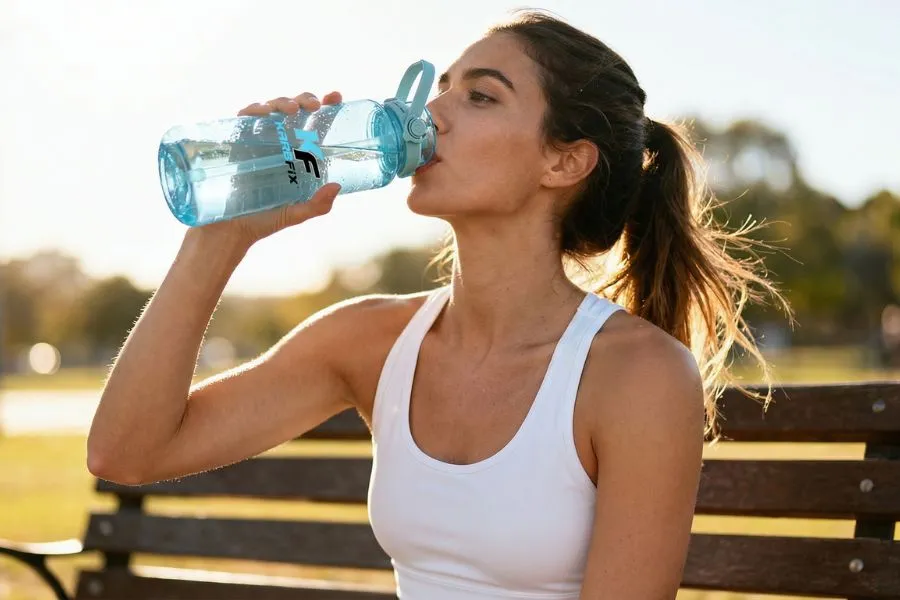
If a formula stays light, mixes clean, and feels easy to drink, athletes are more likely to stick to the plan. That’s why “clarity” and solubility have moved from marketing language into performance features. When a drink stays smooth and consistent, it becomes easier to hit your grams per hour target without forcing it.
Where KARBFiX® Fits

KARBFiX® is positioned around a simple promise: clean taste, strong drinkability, and comfortable intake built for modern energy + hydration systems. NiHTEK® positions KARBFiX® as a purified, 100% corn-free & allergen-free Highly Branched Cyclic Dextrin (HBCD) designed to deliver sustained energy, optimized low osmolarity, and clear, transparent solutions all benefits that matter when intake has to stay consistent across hard sessions.
In short: KARBFiX® is built for the moment that matters most when athletes decide whether to keep drinking.
The Takeaway for Endurance Brands

Targets like grams per hour are becoming common language. But the winners will be the products that help athletes actually hit those targetsbecause they feel clean, light, and repeatable. That’s where endurance fueling is heading: performance through compliance.
FAQ
How much carbohydrate is typically discussed during exercise?
Guidance commonly discusses hourly intake ranges delivered in drinkable solutions. Practical ranges like 30-60 g per hour are frequently cited, with higher targets often used in longer endurance efforts depending on tolerance and training.
Why do clarity and solubility matter in intra-workout drinks?
Because drinkability drives compliance. If a beverage becomes heavy or unpleasant, athletes reduce intake fueling fails in practice.
What is KARBFiX® designed for?
It is positioned for energy and hydration applications across endurance, high-intensity training, and modern intra-workout systems.
Is carbohydrate only for endurance athletes?
No. Carbohydrate strategy can matter in any session where sustained output and repeatable intake are relevant.
Conclusion
References
ACSM. Nutrition and Athletic Performance (carbohydrate during exercise discussion). Kerksick et al. International Society of Sports Nutrition position stand: Nutrient timing (30–60 g/h guidance).


![Energy begins as nature and science makes it superior.
Introducing the KARBFiX®.
We wanted to create an energy drink with engineering a system that doesn't fight your biology. Most fuel feels heavy and it breaks down when you need it most.
KARBFiX® is different. It is Superior Clear Energy™:
Smooth Taste: No starchy drag or heavy finish.
Pure Integrity: Corn-free, Non-GMO, and Allergen-free.
Precision Engineered: Built to fuel your performance without compromising your hydration.
Whether you’re catching a barrel, hitting a new deadlift PR, or pushing through the final mile of a marathon, KARBFiX® is designed to move with you.
Co-invented with Dr. Reid Reale, PhD, and forged by the innovators at NiHTEK®.
The future of energy is clear.
[KARBFiX, NiHTEK, Superior Clear Energy, Dr. Reid Reale, Performance Nutrition, Sports Science, Biohacking]
#KARBFiX #SuperiorClearEnergy #NiHTEK #Biohacking #Performance #AthleticExcellence #NutritionScience #CleanFuel #HighFrequencyLiving #PrecisionNutrition](https://nihtek.com/wp-content/plugins/feeds-for-youtube/img/placeholder.png)